Affiliate Disclosure:
This post may contain affiliate links. As an Amazon Associate, I earn from qualifying purchases at no additional cost to you.
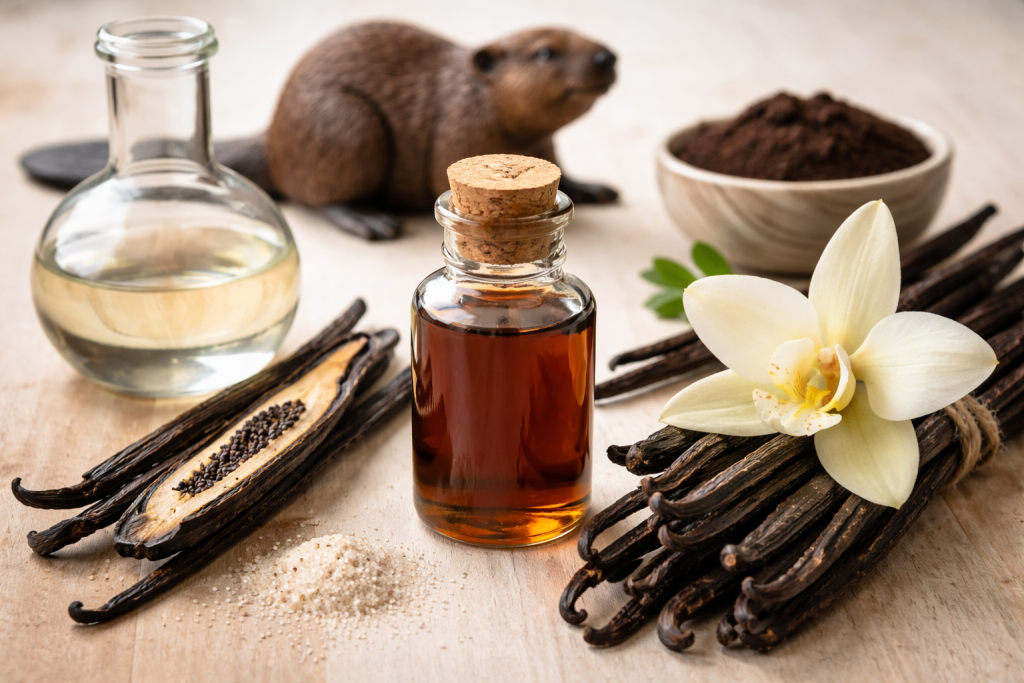
If you’ve ever searched for information about artificial vanilla flavoring, you’ve probably come across a shocking claim: that it’s made from beaver glands. While this idea circulates widely online, it is not accurate for modern food products.
Let’s clear up where this myth came from — and what artificial vanilla flavoring is actually made from today.
Where the Beaver Gland Myth Came From
The confusion comes from a substance called castoreum, which is a secretion produced by beavers. Historically, castoreum has been used in very small quantities in perfumes and fragrances and is classified by the FDA as a “natural flavoring.”
That historical fact is where the myth starts — and where it should end.
Why Beaver Glands Are Not Used in Vanilla Flavoring Today
While castoreum exists, it is not used in modern vanilla flavoring, artificial or otherwise.
Here’s why:
- It is extremely rare and expensive
- It is impractical for large-scale food production
- It is not used by commercial vanilla manufacturers
- It does not appear in ingredient lists for vanilla flavoring
In short: beaver gland products are not part of modern artificial vanilla production.
What Artificial Vanilla Flavoring Is Actually Made From
Most artificial vanilla flavoring is made using synthetic vanillin — a single compound that mimics vanilla’s primary aroma.
Synthetic vanillin is commonly derived from:
- Chemical synthesis
- Industrial byproducts such as lignin (from wood pulp)
- Laboratory-created aromatic compounds
This produces a vanilla-like smell and taste, but it lacks the complexity of real vanilla.
Real Vanilla vs Artificial Vanilla: The Key Difference
Vanilla beans naturally contain hundreds of flavor compounds, which create depth, warmth, and complexity — especially when baked.
Artificial vanilla flavoring typically delivers:
- One dominant flavor note
- Less depth
- Less heat stability
- A flatter overall taste
That’s why many bakers notice a difference when switching to real or homemade vanilla extract.
Why Homemade Vanilla Is a Better Alternative
If you want full control over ingredients and flavor, making homemade vanilla extract is the simplest upgrade you can make. Unlike artificial flavoring, it uses real vanilla beans and improves with time.
The Bottom Line
The claim that artificial vanilla flavoring comes from beaver glands is outdated and misleading. Modern artificial vanilla is made using synthetic vanillin — not animal-derived ingredients.
That said, artificial vanilla still lacks the depth and complexity of real vanilla beans. If flavor matters to you, making your own vanilla extract is one of the easiest upgrades you can make in the kitchen.