Affiliate Disclosure:
This post may contain affiliate links. As an Amazon Associate, I earn from qualifying purchases at no additional cost to you.
If you bake regularly, vanilla is one of the most important ingredients in your kitchen — and one of the easiest to upgrade. Many store-bought vanilla products rely on artificial flavoring that doesn’t deliver the depth or strength real vanilla provides in baking.
Homemade vanilla extract is simple to make, affordable, and produces a richer flavor that improves over time. When made correctly, it creates a baking-grade extract that performs better than most store-bought options and permanently replaces artificial vanilla in your pantry.
The Easiest Way to Get Started
If you want baking-grade vanilla that actually tastes strong, this is the type of vanilla beans most home bakers start with because they infuse quickly and hold flavor well.
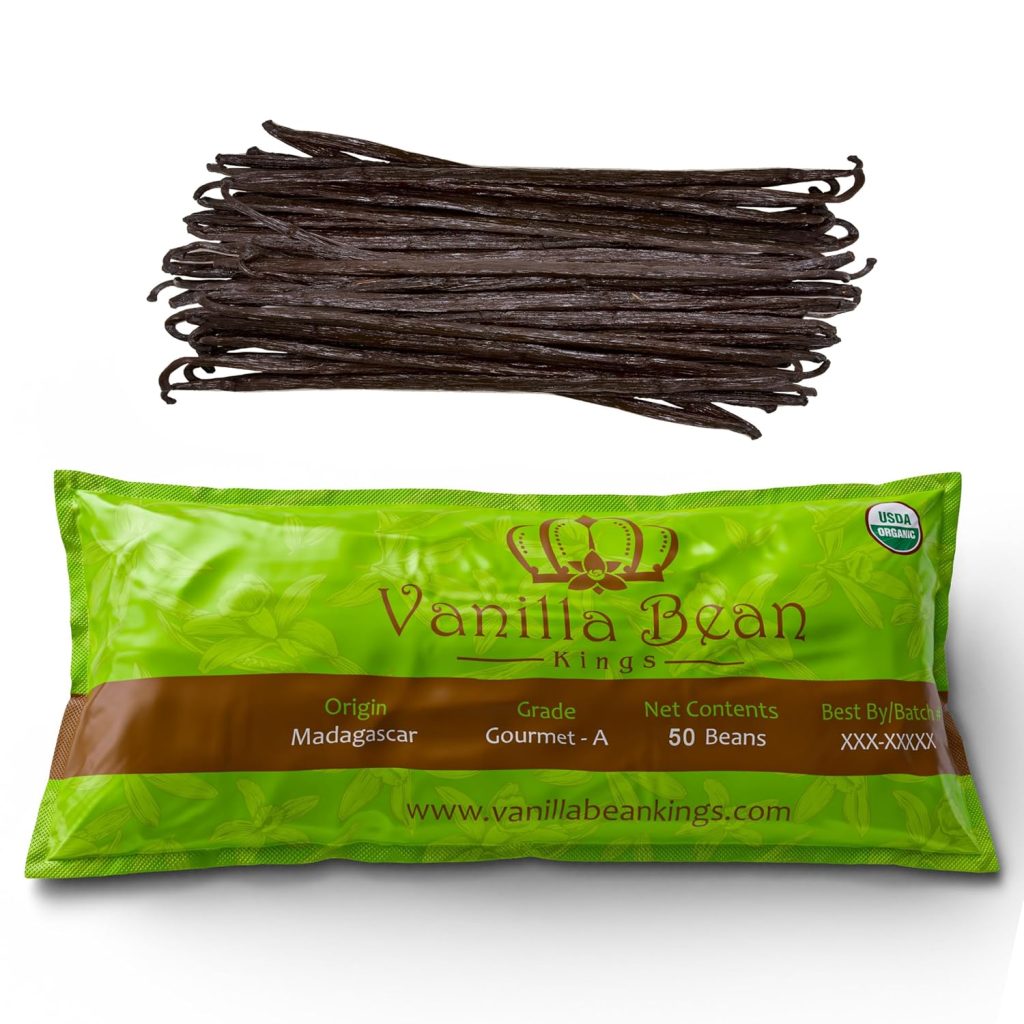
Grade A Vanilla Pods for Vanilla Extract
👉 Check current price on Amazon
Quick Picks for Homemade Vanilla Extract
Best Vanilla Beans for Baking
Quality vanilla beans are the single biggest factor in flavor strength and baking performance.
Best Alcohol for Vanilla Extract
A high-proof neutral spirit extracts flavor compounds more efficiently and preserves the extract long-term. Vodka is the most common choice because it allows the vanilla flavor to shine without adding competing notes.
Best Bottles for Storage and Gifting
Dark glass bottles protect flavor from light and make homemade vanilla easy to store or gift.
Why Artificial Vanilla Flavoring Falls Short
Many inexpensive vanilla products are not pure vanilla extract. Instead, they often include:
- Artificial vanillin rather than flavor extracted from real vanilla beans
- Added stabilizers and flavor enhancers
- Lower-quality alcohol bases that lose flavor during baking
These shortcuts can result in a flat taste that doesn’t hold up in cookies, cakes, and frostings. Traditional vanilla extract is made by slowly extracting flavor compounds from whole vanilla beans, creating a deeper and more complex flavor.
If you’ve heard claims about artificial vanilla being made from unusual sources, it’s worth separating myth from fact. I explain where those rumors came from here → No, Artificial Vanilla Is Not Made From Beaver Glands (Here’s the Truth)
What You Need to Make Baking-Grade Vanilla Extract
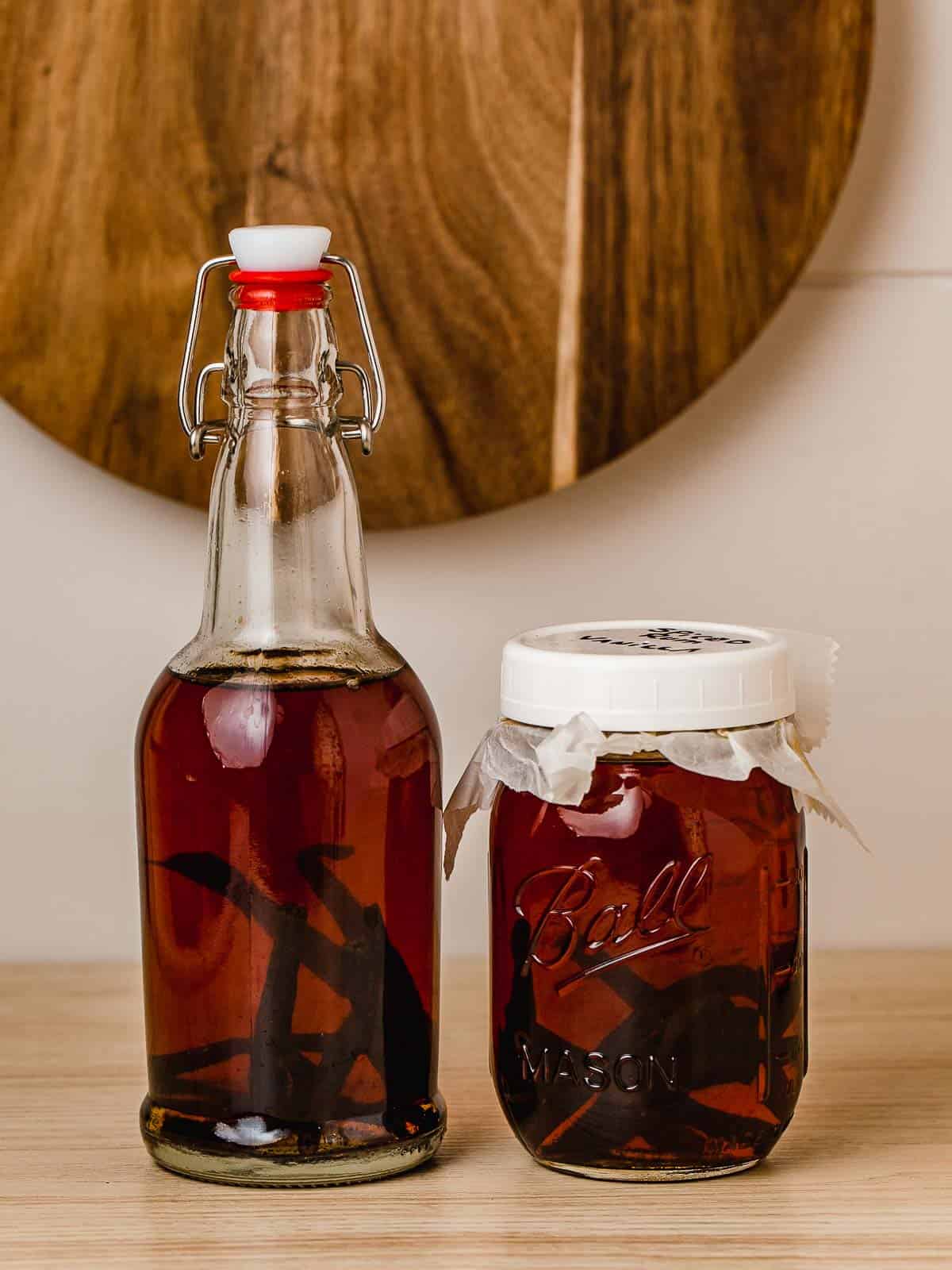
This method produces a strong, baking-grade vanilla extract, not a watered-down version.
Ingredients
10–12 whole vanilla beans per 8-ounce jar
Using fewer beans is the most common reason homemade vanilla turns out weak.
A neutral alcohol with a relatively high alcohol content
(Use the highest-proof neutral spirit that is legally available in your area.)
Higher alcohol content helps extract flavor compounds more efficiently and supports long-term preservation.
Recommended Supplies
The following items make the process easy and consistent from start to finish.
Vanilla Beans (Baking Grade)
Quality beans are the most important factor in flavor.
Glass Jars for Infusion and Aging
These jars are ideal for steeping vanilla while it develops flavor.
Dark Glass Bottles for Storage and Gifting (Includes Funnel)
Once your vanilla is finished, transferring it into dark glass bottles helps protect flavor from light exposure. This set also includes a funnel for clean, easy pouring.
These bottles work well for:
- Long-term storage
- Homemade gifts
- Refilling smaller kitchen bottles
How to Make Homemade Vanilla Extract

Step 1: Prepare the Beans
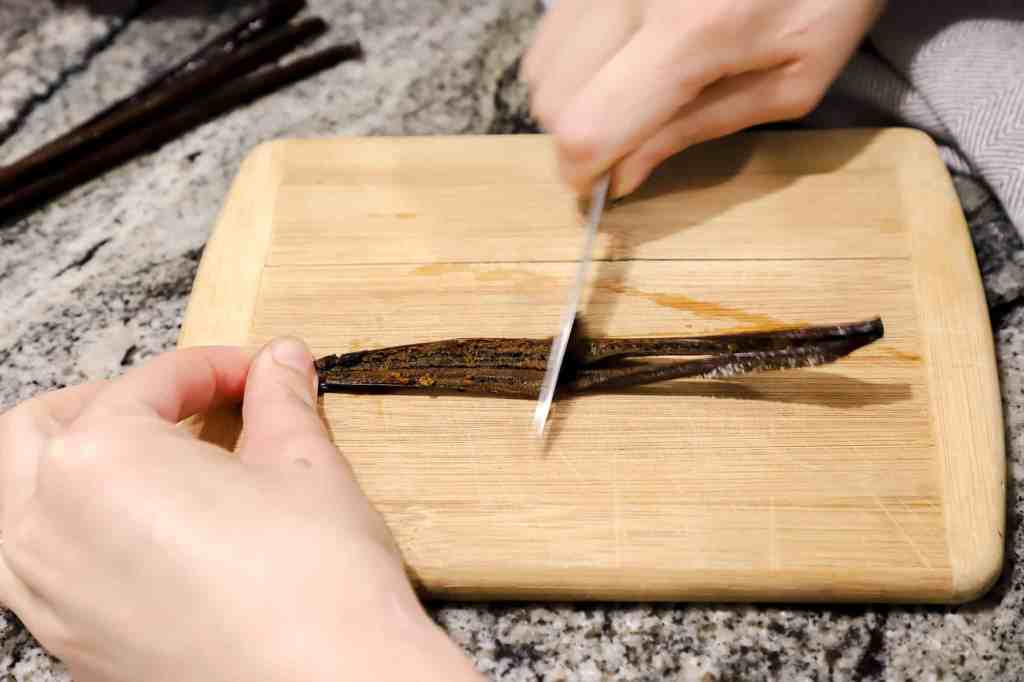
Using a sharp knife, slice each vanilla bean lengthwise to expose the interior.
Step 2: Add Beans to the Jar
Place 10–12 split beans into a clean glass jar.
Step 3: Add the Alcohol
Pour the alcohol over the beans until fully submerged. Seal the jar tightly.

Step 4: Store and Shake
Store the jar in a cool, dark place. Shake gently once or twice per week.
Step 5: Allow Time to Extract
- Minimum use: 8–12 weeks
- Best flavor: 6 months or longer

When the vanilla reaches your desired strength, transfer it to dark glass bottles for storage or gifting.
Homemade vanilla continues to improve for months and can be reused indefinitely by topping off with more alcohol as needed.
Alcohol Selection Guidance
Homemade vanilla extract is traditionally made using a neutral alcohol with a relatively high alcohol content. Higher alcohol content improves flavor extraction and helps preserve the extract long-term. Always purchase and use products that are legally available in your area and follow local laws.
Does Homemade Vanilla Work for Baking?
Properly made homemade vanilla extract performs just as well as — and often better than — store-bought vanilla in baked goods. The higher bean concentration creates stronger aroma, better heat stability, and fuller flavor in cookies, cakes, and frostings.
Many bakers find they can use slightly less homemade vanilla than artificial vanilla flavoring to achieve the same result.
How to Use Homemade Vanilla Extract
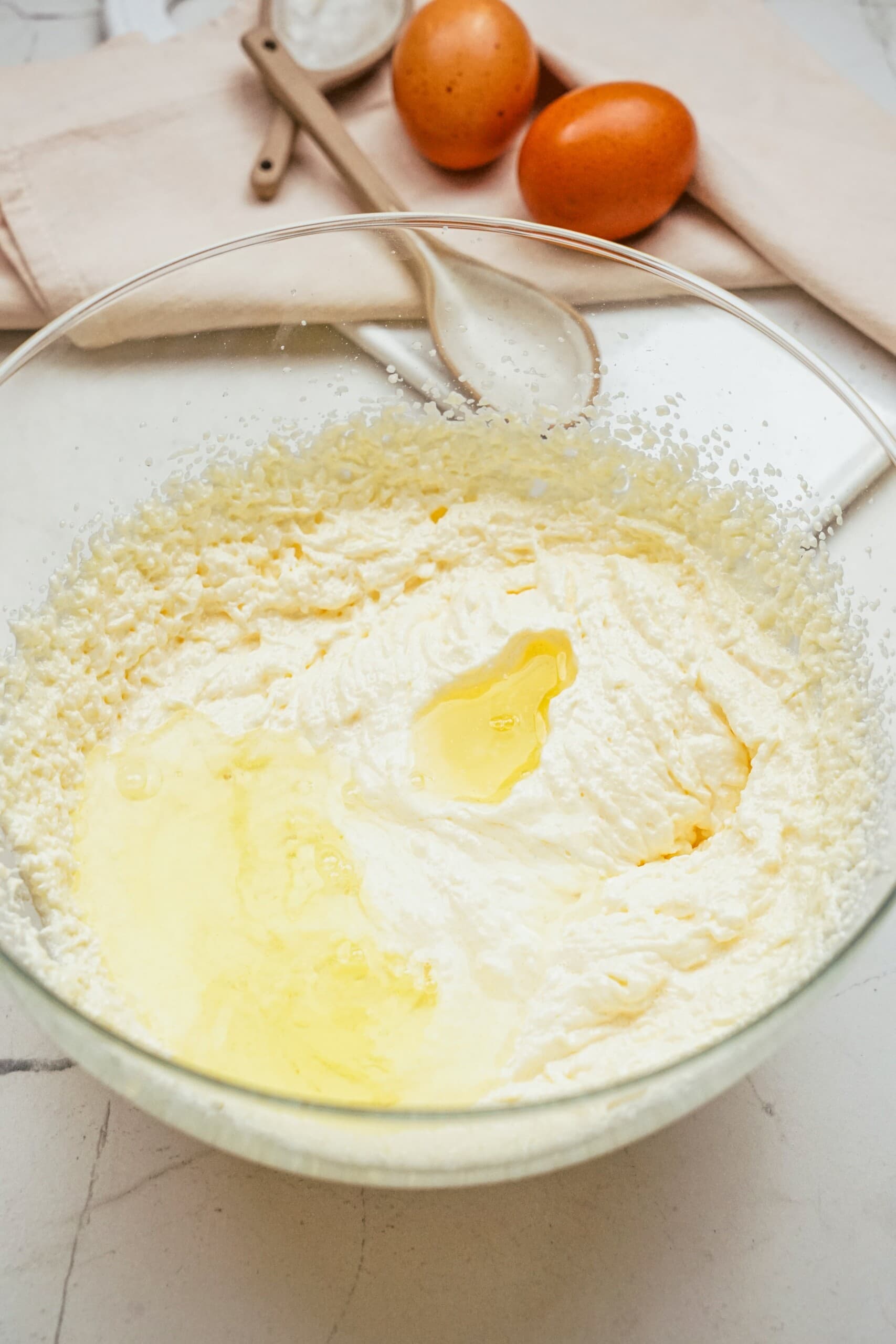
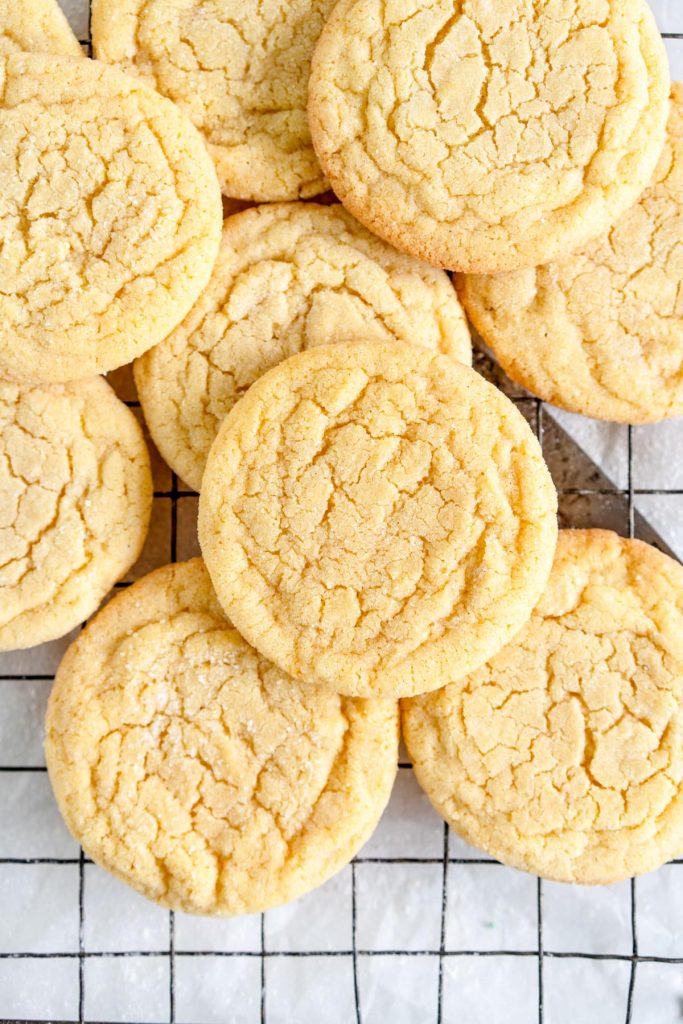
Use homemade vanilla just like store-bought extract:
- Cookies, cakes, and muffins
- Frostings and glazes
- Custards and ice cream
- Pancakes, waffles, and syrups
Because homemade vanilla is often more robust than artificial vanilla flavoring, many bakers find they can use slightly less per recipe.
Storage, Shelf Life, and Gifting
Homemade vanilla extract:
- Has an indefinite shelf life when properly stored
- Continues to improve with age
- Store finished vanilla in dark glass bottles to protect flavor from light exposure and extend shelf life.
- Makes thoughtful, practical gifts
What You Need to Make Baking-Grade Vanilla
To make strong, baking-grade vanilla extract from start to finish, you only need three things:
- Whole vanilla beans in the proper quantity
- A high-proof neutral alcohol
- Glass containers for steeping, storage, and gifting
All of these were covered in detail above, including why quality matters for flavor and shelf life.
These are the same type of vanilla beans mentioned above if you want the easiest place to start.
Why Homemade Vanilla Is Worth Making
Making your own vanilla:
- Uses real ingredients
- Avoids artificial flavoring
- Delivers better baking results
- Costs less over time
- Replaces store-bought extract permanently
Once you make it, it becomes a pantry staple you’ll always want on hand.
Learn More About Artificial Vanilla Flavoring
If you’re curious about claims surrounding artificial vanilla flavoring, this related guide breaks down where those myths came from and what artificial vanilla is actually made from today:
No, Artificial Vanilla Is Not Made From Beaver Glands (Here’s the Truth)
If you’ve also tried DIY plug-in refills, this breakdown explains why most recipes fail and what actually makes them work.