Category: From Scratch Baking

  • Why Homemade Vanilla Stays Weak (And What Actually Affects Flavor)

    Why Homemade Vanilla Stays Weak (And What Actually Affects Flavor)

    If you’ve made homemade vanilla extract and found that it still tastes weak weeks or even months later, you’re not alone. This is one of the most common frustrations people have with DIY vanilla — and it’s also one of the most misunderstood.

    Most people assume weak vanilla means they did something wrong. The recipe must be off. The beans must be bad. It just needs more time.

    In reality, homemade vanilla usually stays weak for very specific, predictable reasons. And once you understand them, the problem stops being mysterious.

    This article breaks down what actually affects vanilla flavor, why waiting longer often doesn’t fix it, and how to tell whether your vanilla will ever improve at all.


    Time Alone Does Not Create Strength

    One of the biggest myths around homemade vanilla is that time automatically equals strength. While time does matter, it only amplifies what’s already there.

    If your extract starts weak, letting it sit longer usually just gives you more weak vanilla.

    Time helps when:

    • Enough vanilla compounds are present to extract
    • The alcohol is strong enough to pull those compounds
    • The bean-to-alcohol ratio is correct

    If any of those factors are off, time can’t compensate. It simply preserves the imbalance.

    This is why some homemade vanilla smells pleasant but still tastes thin. Aroma develops faster than depth, and without enough dissolved vanillin and supporting compounds, the flavor never fully builds.
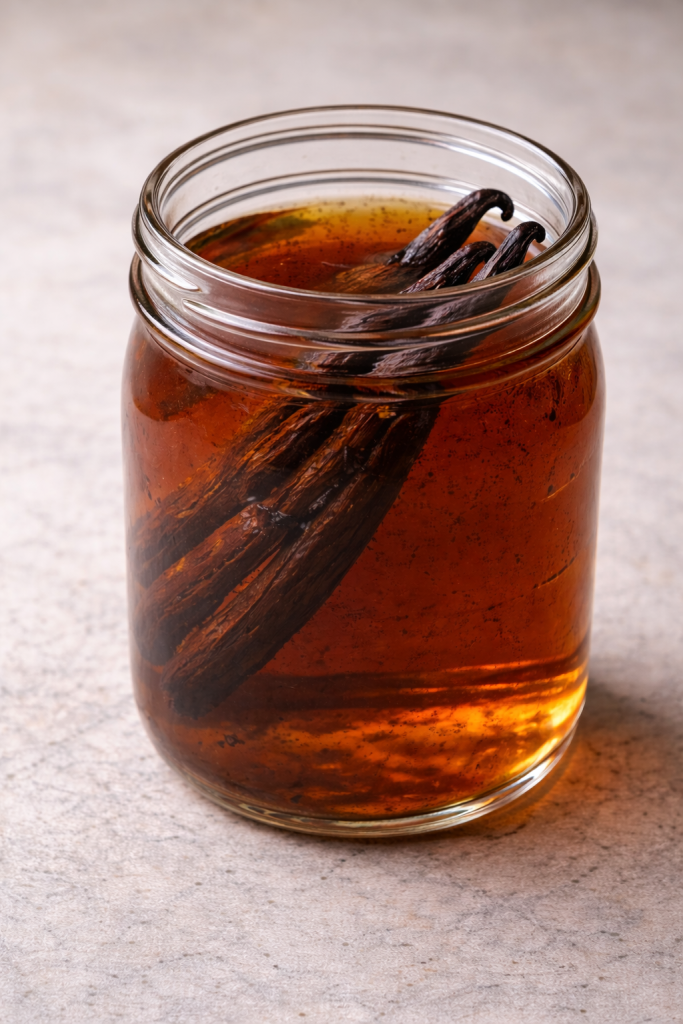
    Wide-mouth mason jar with a vanilla bean soaking in darkened alcohol, showing stalled flavor development over time

    The Bean-to-Alcohol Ratio Matters More Than Most Recipes Admit

    Many popular recipes dramatically underuse vanilla beans. They rely on the idea that patience will make up the difference.

    It won’t.

    For baking-grade vanilla, strength is determined primarily by how much vanilla material is available to extract — not how long it sits.

    If you want a deeper explanation of correct ratios and why most DIY recipes fall short, this is covered in detail in How to Make Homemade Vanilla Extract (Better Than Store-Bought).

    When the ratio is too low:

    • The extract smells okay but tastes flat
    • Flavor disappears in baked goods
    • The vanilla never reaches store-bought strength

    This is the most common reason homemade vanilla stays weak indefinitely.


    Bean Quality Affects Development, Not Just Price

    Another misconception is that all vanilla beans behave the same. They don’t.

    Different grades, curing levels, and moisture contents extract differently. Some beans release flavor quickly but plateau early. Others develop more slowly but reach greater depth.

    Choosing the wrong type of bean can make it seem like your vanilla has stalled, even when you followed the recipe closely.

    If you want to understand how bean selection impacts flavor strength and long-term development, see Best Vanilla Beans for Homemade Extract (Grade A vs Grade B).

    In short:

    • Softer, moister beans are easier for beginners
    • Drier beans often need more alcohol contact and time
    • Bean choice affects how flavor develops, not just how fast

    Alcohol Strength Sets the Ceiling

    Alcohol isn’t just a preservative. It’s the extraction engine.

    If the alcohol used is too weak, it cannot fully dissolve the compounds responsible for strong vanilla flavor. This creates an artificial ceiling — no matter how long you wait, the extract will never pass a certain point.

    This is why some homemade vanilla smells rich in the bottle but underperforms in recipes. The volatile compounds escaped into the aroma, but the deeper flavor compounds never fully transferred.

    Once that ceiling is set, waiting longer won’t raise it.


    Why Vanilla Sometimes Smells Stronger Than It Tastes

    Smell and taste develop differently.

    Your nose detects volatile compounds quickly, even at low concentrations. Your palate needs density and balance.

    This disconnect causes people to believe their vanilla is stronger than it actually is. The aroma suggests progress, but the flavor hasn’t caught up — and may never catch up without changes.

    This is one reason homemade vanilla is often praised early, then quietly disappointing later.


    What Weak Vanilla Is Not Caused By

    To avoid chasing the wrong fixes, it helps to rule out a few common myths:

    • It is not caused by artificial vanilla ingredients or additives
    • It is not related to food myths like animal-derived flavorings
    • It is not fixed by shaking the bottle more often

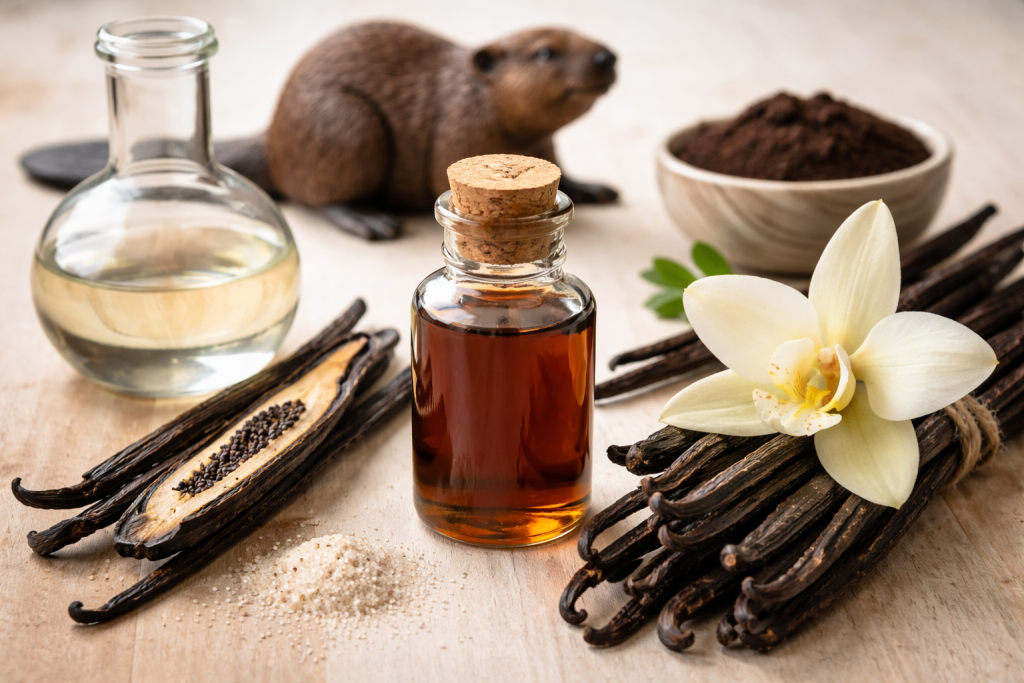
    If you’re curious about one of the most persistent vanilla myths and why it continues to circulate, you can read No, Artificial Vanilla Is Not Made From Beaver Glands (Here’s the Truth).

    That misconception has nothing to do with why homemade vanilla lacks strength.


    How to Tell If Your Vanilla Will Ever Improve

    Ask yourself three questions:

    1. Did I use enough beans for the amount of alcohol?
    2. Is the alcohol strong enough for full extraction?
    3. Are the beans appropriate for long-term development?

    If the answer to any of these is no, the vanilla may never reach the strength you expect — regardless of how long it sits.

    At that point, the solution isn’t more patience. It’s correction.


    The Takeaway

    Homemade vanilla stays weak because of limitations set early in the process. Time doesn’t create flavor from nothing — it only reveals whether the foundation was strong enough to begin with.

    When the ratios are correct, the beans are appropriate, and the alcohol can do its job, homemade vanilla does improve. When they aren’t, it simply plateaus.

    Understanding this prevents wasted time, wasted ingredients, and frustration — and it allows homemade vanilla to perform the way people expect it to.
  • Best Vanilla Beans for Homemade Extract (Grade A vs Grade B)

    Affiliate Disclosure:
    This post may contain affiliate links. As an Amazon Associate, I earn from qualifying purchases at no additional cost to you.


    Why Vanilla Bean Choice Matters More Than Most Recipes Admit

    Many homemade vanilla recipes focus on the method but barely mention the vanilla beans themselves. In reality, the type and grade of vanilla beans you use has a bigger impact on flavor strength than almost any other factor.

    If your homemade vanilla has ever turned out weak or disappointing, the problem is often the beans—not the process.

    This guide breaks down the difference between Grade A vs Grade B vanilla beans, which type works best for homemade extract, and how to choose beans that deliver strong, baking-grade flavor.


    Quick Picks for Homemade Vanilla Extract


    If you’re new to making vanilla extract, this guide walks through the full process step by step: How to Make Homemade Vanilla Extract (Better Than Store-Bought).


    Grade A vs Grade B Vanilla Beans: What’s the Difference?

    Vanilla beans are typically sold in two main grades. Both come from the same plant, but they are harvested and prepared differently.

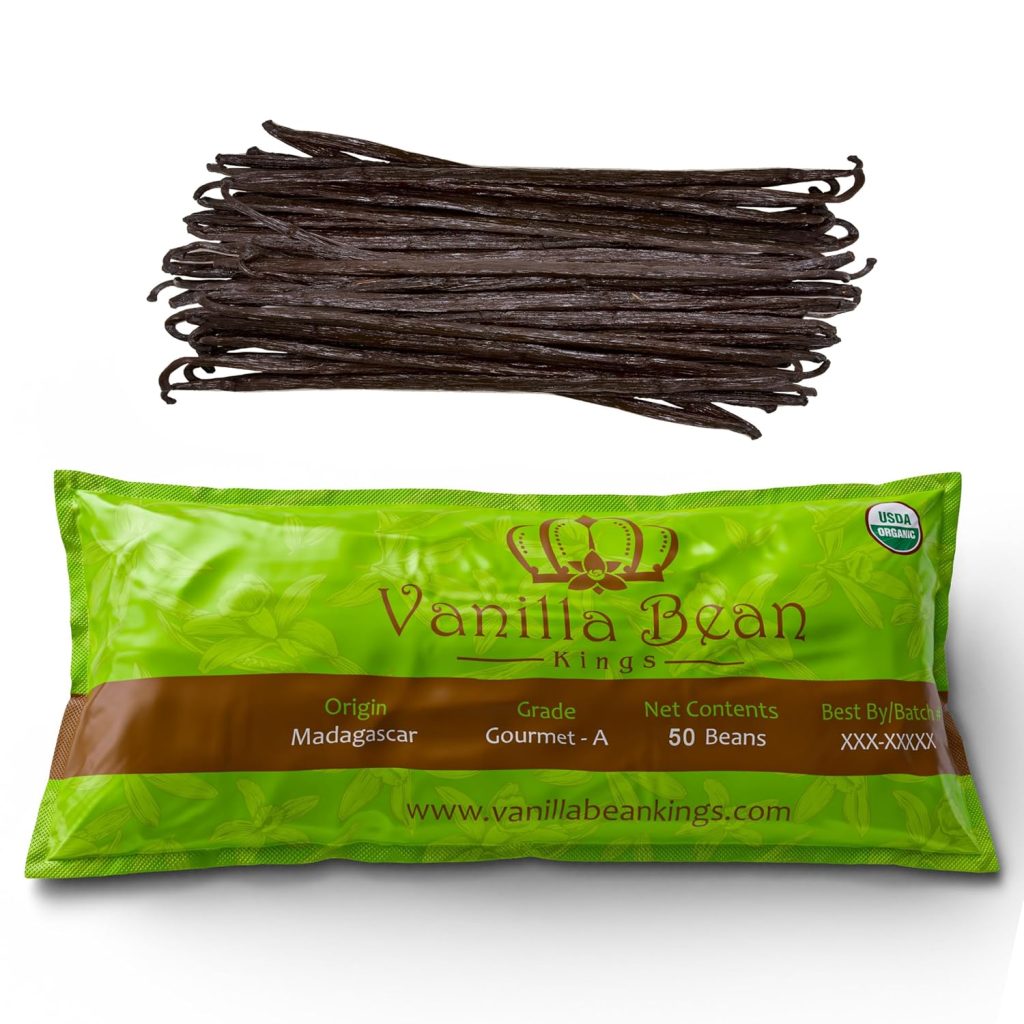
    Grade A Vanilla Beans (Often Called “Gourmet”)

    Grade A beans are:

    • Plumper and more moist
    • Higher in water content
    • Often used for cooking, desserts, or visual presentation

    Because they contain more moisture, Grade A beans are usually better for recipes where the beans themselves are visible or scraped directly into food.


    Grade B Vanilla Beans (Often Called “Extract Grade”)

    Grade B beans are:

    • Drier and less plump
    • Lower in moisture
    • More concentrated in flavor compounds

    This lower moisture content is exactly what makes them ideal for homemade vanilla extract. Alcohol extracts flavor compounds more efficiently from drier beans, resulting in a stronger extract over time.

    FeatureGrade A BeansGrade B Beans
    MoistureHighLower
    Best UseCooking/DessertsExtract
    Flavor StrengthMildStrong
    Cost EfficiencyLowerHigher

    Which Vanilla Beans Are Best for Homemade Extract?

    The Short Answer

    Grade B vanilla beans are the best choice for homemade vanilla extract.

    They produce:

    • Stronger flavor
    • Better extraction
    • More consistent results
    • Lower cost per batch

    Grade A beans will still work, but you often need more of them to achieve the same flavor strength.


    Flavor Differences You Can Expect

    When properly aged, vanilla extract made with Grade B beans tends to have:

    • Deeper aroma
    • Stronger vanilla presence in baked goods
    • Better performance in cookies, cakes, and frostings

    Grade A beans can produce a slightly softer flavor, which some people prefer for lighter desserts, but they are not necessary for most baking applications.


    How Many Vanilla Beans Do You Actually Need?

    For baking-grade vanilla extract, a good rule of thumb is:

    • 10–12 vanilla beans per 8-ounce jar

    Using fewer beans is the most common reason homemade vanilla turns out weak. This applies regardless of grade, but it’s especially important when using Grade A beans.

    If you want a deeper dive into ratios and aging time, see:
    How to Make Homemade Vanilla Extract (Better Than Store-Bought)


    Best Vanilla Bean Types for Extract

    Beyond grading, vanilla beans also vary by origin. The most common types used for extract include:

    Madagascar Vanilla Beans

    • Classic vanilla flavor
    • Rich, creamy, and familiar
    • Excellent all-purpose choice for baking

    Tahitian Vanilla Beans

    • More floral and aromatic
    • Slightly lighter vanilla flavor
    • Better for desserts where vanilla is the star

    Mexican Vanilla Beans

    • Bold and slightly spicy
    • Works well in chocolate-based baked goods

    For most home bakers, Madagascar vanilla beans are the most versatile and reliable option for extract.


    Where to Buy Vanilla Beans for Homemade Extract

    When sourcing vanilla beans, consistency and freshness matter more than branding.

    Look for beans that are:

    • Flexible (not brittle)
    • Free from mold
    • Sold specifically as Grade B or extract grade

    Quality beans make a noticeable difference in both flavor and aging performance.


    Grade A vs Grade B: Which Should You Choose?

    Choose Grade B if:

    • You’re making vanilla extract
    • You want the strongest flavor
    • You care about cost efficiency
    • You bake regularly

    Choose Grade A if:

    • You plan to scrape seeds directly into recipes
    • Appearance matters more than extraction efficiency
    • You’re not primarily making extract

    For most people making homemade vanilla extract, Grade B beans are the clear winner.


    How Bean Choice Affects Aging Time

    Vanilla made with Grade B beans typically:

    • Develops flavor faster
    • Reaches baking strength sooner
    • Continues improving for months

    This makes Grade B beans ideal if you plan to use your vanilla within the first 3–6 months and continue topping it off over time.


    Final Thoughts: Don’t Underspend on the Wrong Ingredient

    Homemade vanilla extract only has two main ingredients: vanilla beans and alcohol. If you invest in the right beans, everything else falls into place.

    Using extract-grade vanilla beans ensures:

    • Stronger flavor
    • Better value
    • Consistent baking results

    If you haven’t already, start with the full method here:
    How to Make Homemade Vanilla Extract (Better Than Store-Bought)


    Related Guides

    • Why Most Homemade Vanilla Is Weak
    • Is Vanilla Really Made From Beaver Glands?
    • Real Vanilla With Just Two Ingredients
  • No, Artificial Vanilla Is Not Made From Beaver Glands (Here’s the Truth)

    Affiliate Disclosure:
    This post may contain affiliate links. As an Amazon Associate, I earn from qualifying purchases at no additional cost to you.

    If you’ve ever searched for information about artificial vanilla flavoring, you’ve probably come across a shocking claim: that it’s made from beaver glands. While this idea circulates widely online, it is not accurate for modern food products.

    Let’s clear up where this myth came from — and what artificial vanilla flavoring is actually made from today.


    Where the Beaver Gland Myth Came From

    The confusion comes from a substance called castoreum, which is a secretion produced by beavers. Historically, castoreum has been used in very small quantities in perfumes and fragrances and is classified by the FDA as a “natural flavoring.”

    That historical fact is where the myth starts — and where it should end.


    Why Beaver Glands Are Not Used in Vanilla Flavoring Today

    While castoreum exists, it is not used in modern vanilla flavoring, artificial or otherwise.

    Here’s why:

    • It is extremely rare and expensive
    • It is impractical for large-scale food production
    • It is not used by commercial vanilla manufacturers
    • It does not appear in ingredient lists for vanilla flavoring

    In short: beaver gland products are not part of modern artificial vanilla production.


    What Artificial Vanilla Flavoring Is Actually Made From

    Most artificial vanilla flavoring is made using synthetic vanillin — a single compound that mimics vanilla’s primary aroma.

    Synthetic vanillin is commonly derived from:

    • Chemical synthesis
    • Industrial byproducts such as lignin (from wood pulp)
    • Laboratory-created aromatic compounds

    This produces a vanilla-like smell and taste, but it lacks the complexity of real vanilla.


    Real Vanilla vs Artificial Vanilla: The Key Difference

    Vanilla beans naturally contain hundreds of flavor compounds, which create depth, warmth, and complexity — especially when baked.

    Artificial vanilla flavoring typically delivers:

    • One dominant flavor note
    • Less depth
    • Less heat stability
    • A flatter overall taste

    That’s why many bakers notice a difference when switching to real or homemade vanilla extract.


    Why Homemade Vanilla Is a Better Alternative

    If you want full control over ingredients and flavor, making homemade vanilla extract is the simplest upgrade you can make. Unlike artificial flavoring, it uses real vanilla beans and improves with time.


    The Bottom Line

    The claim that artificial vanilla flavoring comes from beaver glands is outdated and misleading. Modern artificial vanilla is made using synthetic vanillin — not animal-derived ingredients.

    That said, artificial vanilla still lacks the depth and complexity of real vanilla beans. If flavor matters to you, making your own vanilla extract is one of the easiest upgrades you can make in the kitchen.


    Related Reading

  • How to Make Homemade Vanilla Extract (Better Than Store-Bought)

    Affiliate Disclosure:
    This post may contain affiliate links. As an Amazon Associate, I earn from qualifying purchases at no additional cost to you.

    If you bake regularly, vanilla is one of the most important ingredients in your kitchen — and one of the easiest to upgrade. Many store-bought vanilla products rely on artificial flavoring that doesn’t deliver the depth or strength real vanilla provides in baking.

    Homemade vanilla extract is simple to make, affordable, and produces a richer flavor that improves over time. When made correctly, it creates a baking-grade extract that performs better than most store-bought options and permanently replaces artificial vanilla in your pantry.

    The Easiest Way to Get Started

    If you want baking-grade vanilla that actually tastes strong, this is the type of vanilla beans most home bakers start with because they infuse quickly and hold flavor well.

    Grade A Vanilla Pods for Vanilla Extract

    👉 Check current price on Amazon


    Quick Picks for Homemade Vanilla Extract

    Best Vanilla Beans for Baking
    Quality vanilla beans are the single biggest factor in flavor strength and baking performance.

    Best Alcohol for Vanilla Extract
    A high-proof neutral spirit extracts flavor compounds more efficiently and preserves the extract long-term. Vodka is the most common choice because it allows the vanilla flavor to shine without adding competing notes.

    Best Bottles for Storage and Gifting
    Dark glass bottles protect flavor from light and make homemade vanilla easy to store or gift.


    Why Artificial Vanilla Flavoring Falls Short

    Many inexpensive vanilla products are not pure vanilla extract. Instead, they often include:

    • Artificial vanillin rather than flavor extracted from real vanilla beans
    • Added stabilizers and flavor enhancers
    • Lower-quality alcohol bases that lose flavor during baking

    These shortcuts can result in a flat taste that doesn’t hold up in cookies, cakes, and frostings. Traditional vanilla extract is made by slowly extracting flavor compounds from whole vanilla beans, creating a deeper and more complex flavor.

    If you’ve heard claims about artificial vanilla being made from unusual sources, it’s worth separating myth from fact. I explain where those rumors came from here → No, Artificial Vanilla Is Not Made From Beaver Glands (Here’s the Truth)


    What You Need to Make Baking-Grade Vanilla Extract

    https://i0.wp.com/12-kitchens.com/wp-content/uploads/2024/07/IMG_0986.jpg?resize=1024%2C682&ssl=1
    https://littlespoonfarm.com/wp-content/uploads/2021/07/vanilla-extract.jpg

    This method produces a strong, baking-grade vanilla extract, not a watered-down version.

    Ingredients

    10–12 whole vanilla beans per 8-ounce jar
    Using fewer beans is the most common reason homemade vanilla turns out weak.

    A neutral alcohol with a relatively high alcohol content
    (Use the highest-proof neutral spirit that is legally available in your area.)

    Higher alcohol content helps extract flavor compounds more efficiently and supports long-term preservation.


    Recommended Supplies

    The following items make the process easy and consistent from start to finish.

    Vanilla Beans (Baking Grade)

    Quality beans are the most important factor in flavor.


    Glass Jars for Infusion and Aging

    These jars are ideal for steeping vanilla while it develops flavor.


    Dark Glass Bottles for Storage and Gifting (Includes Funnel)

    Once your vanilla is finished, transferring it into dark glass bottles helps protect flavor from light exposure. This set also includes a funnel for clean, easy pouring.

    These bottles work well for:

    • Long-term storage
    • Homemade gifts
    • Refilling smaller kitchen bottles

    How to Make Homemade Vanilla Extract

    https://i0.wp.com/www.zoebakes.com/wp-content/uploads/2008/01/cutvanillabean01.jpg?ssl=1

    Step 1: Prepare the Beans

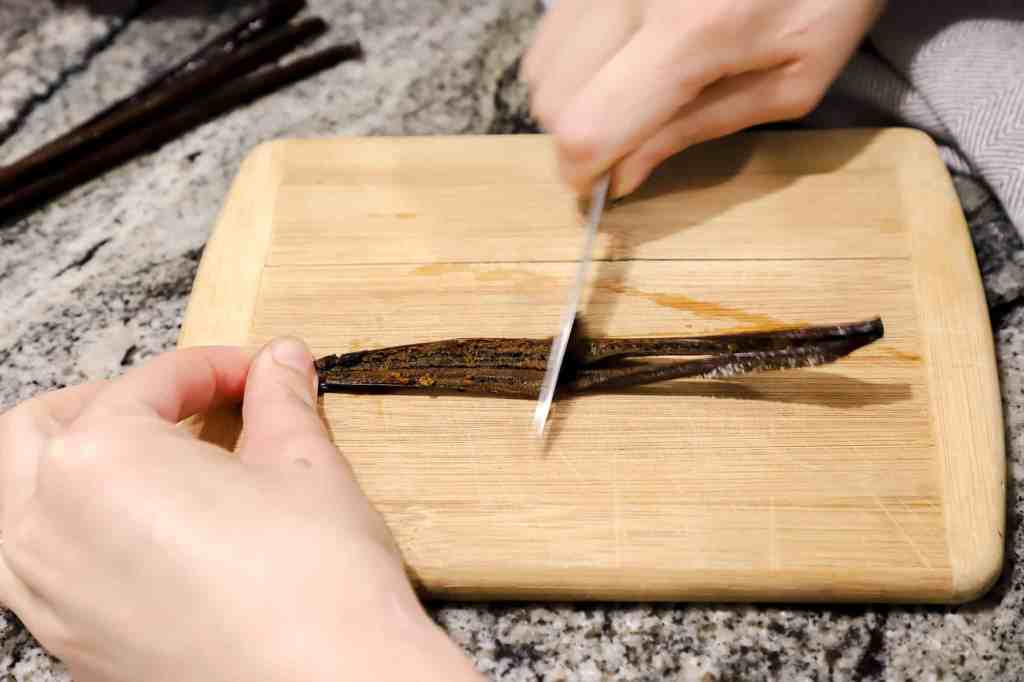
    Using a sharp knife, slice each vanilla bean lengthwise to expose the interior.

    Step 2: Add Beans to the Jar

    Place 10–12 split beans into a clean glass jar.

    Step 3: Add the Alcohol

    Pour the alcohol over the beans until fully submerged. Seal the jar tightly.

    https://www.seriouseats.com/thmb/6w6o6ZV-RqdDoICUZ4zmu3WuqZU%3D/1500x0/filters%3Ano_upscale%28%29%3Amax_bytes%28150000%29%3Astrip_icc%28%29/20221214-HomemadeVanillaExtract-AmandaSuarez-14-d22cb87d5347404d87a3c1ad64b00b64.JPG

    Step 4: Store and Shake

    Store the jar in a cool, dark place. Shake gently once or twice per week.

    Step 5: Allow Time to Extract

    • Minimum use: 8–12 weeks
    • Best flavor: 6 months or longer
    https://i0.wp.com/www.zoebakes.com/wp-content/uploads/2012/01/vanilla-extract-2.jpg?fit=640%2C960&ssl=1

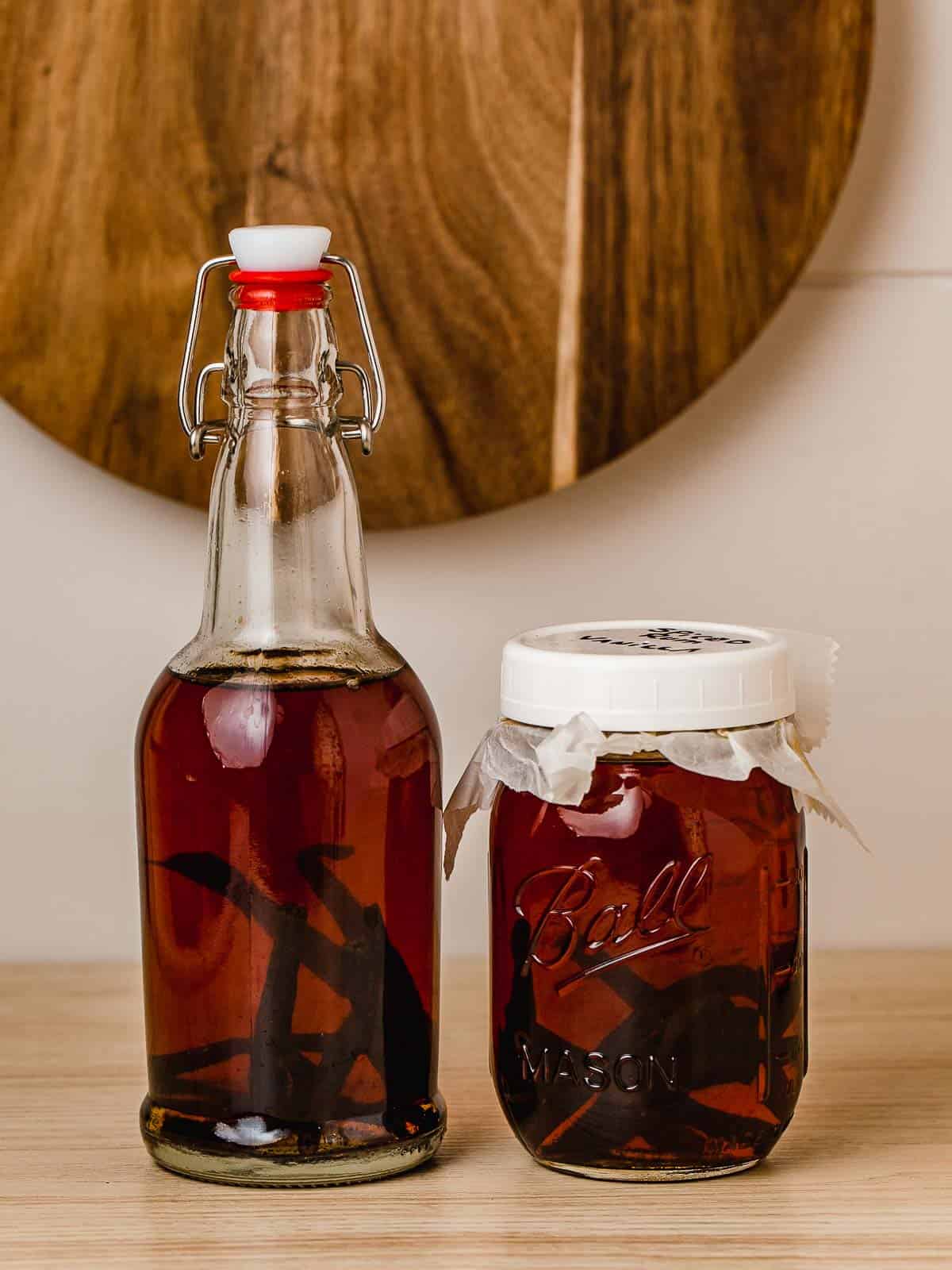
    When the vanilla reaches your desired strength, transfer it to dark glass bottles for storage or gifting.

    Homemade vanilla continues to improve for months and can be reused indefinitely by topping off with more alcohol as needed.


    Alcohol Selection Guidance

    Homemade vanilla extract is traditionally made using a neutral alcohol with a relatively high alcohol content. Higher alcohol content improves flavor extraction and helps preserve the extract long-term. Always purchase and use products that are legally available in your area and follow local laws.

    Does Homemade Vanilla Work for Baking?

    Properly made homemade vanilla extract performs just as well as — and often better than — store-bought vanilla in baked goods. The higher bean concentration creates stronger aroma, better heat stability, and fuller flavor in cookies, cakes, and frostings.

    Many bakers find they can use slightly less homemade vanilla than artificial vanilla flavoring to achieve the same result.


    How to Use Homemade Vanilla Extract

    Use homemade vanilla just like store-bought extract:

    • Cookies, cakes, and muffins
    • Frostings and glazes
    • Custards and ice cream
    • Pancakes, waffles, and syrups

    Because homemade vanilla is often more robust than artificial vanilla flavoring, many bakers find they can use slightly less per recipe.


    Storage, Shelf Life, and Gifting

    Homemade vanilla extract:

    • Has an indefinite shelf life when properly stored
    • Continues to improve with age
    • Store finished vanilla in dark glass bottles to protect flavor from light exposure and extend shelf life.
    • Makes thoughtful, practical gifts

    What You Need to Make Baking-Grade Vanilla

    To make strong, baking-grade vanilla extract from start to finish, you only need three things:

    • Whole vanilla beans in the proper quantity
    • A high-proof neutral alcohol
    • Glass containers for steeping, storage, and gifting

    All of these were covered in detail above, including why quality matters for flavor and shelf life.

    These are the same type of vanilla beans mentioned above if you want the easiest place to start.


    Why Homemade Vanilla Is Worth Making

    Making your own vanilla:

    • Uses real ingredients
    • Avoids artificial flavoring
    • Delivers better baking results
    • Costs less over time
    • Replaces store-bought extract permanently

    Once you make it, it becomes a pantry staple you’ll always want on hand.

    Learn More About Artificial Vanilla Flavoring

    If you’re curious about claims surrounding artificial vanilla flavoring, this related guide breaks down where those myths came from and what artificial vanilla is actually made from today:
    No, Artificial Vanilla Is Not Made From Beaver Glands (Here’s the Truth)

    If you’ve also tried DIY plug-in refills, this breakdown explains why most recipes fail and what actually makes them work.